Psychoeducational Assessment
in Sault Ste. Marie
Expert learning assessments for children, teens, and adults across Algoma — by CPO-regulated psychologists.
Is Your Child Falling Behind — and the School Board Waitlist Is Too Long?
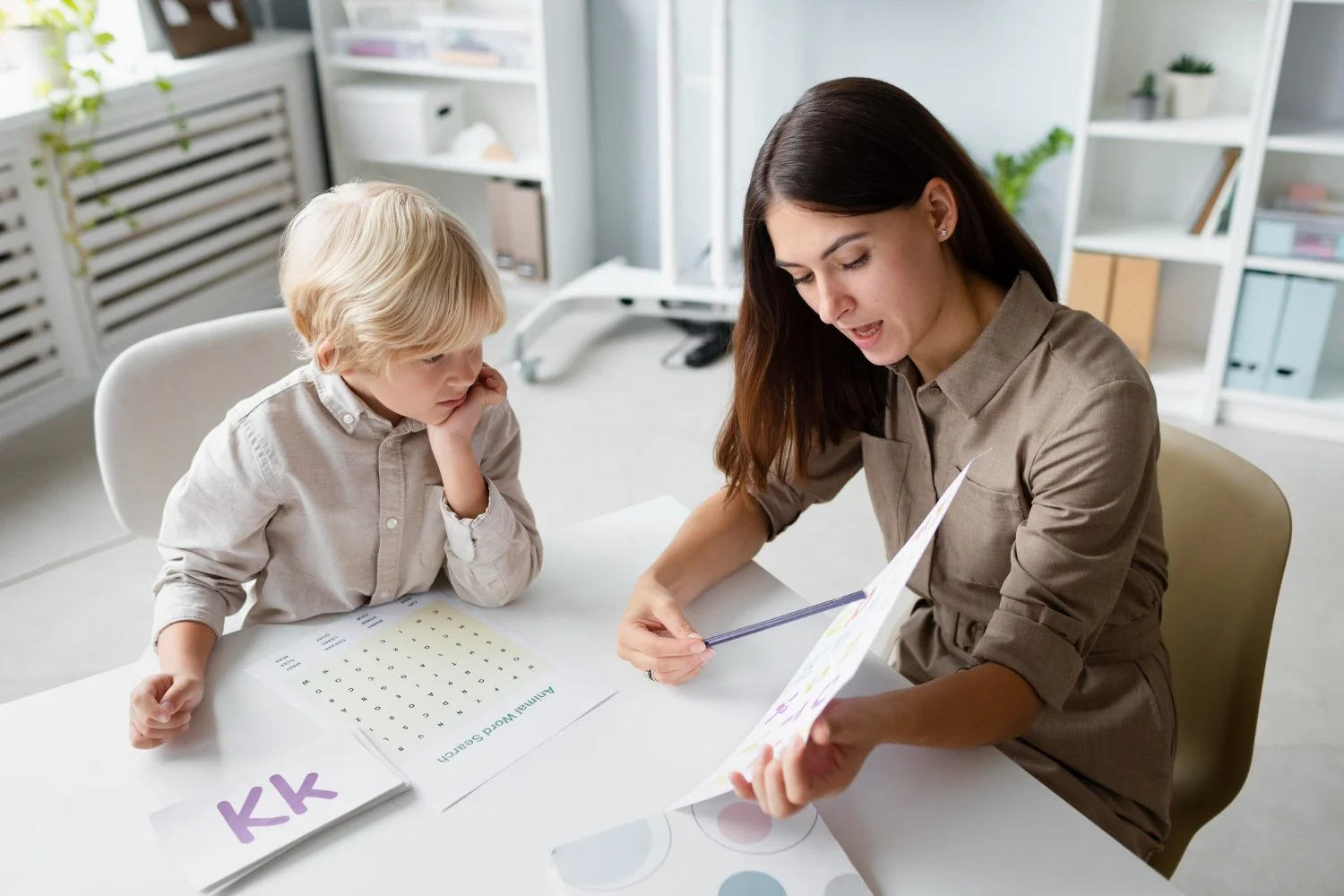
"A psychoeducational assessment doesn't label a child — it explains them. It turns frustration into understanding, and understanding into a plan."
Your child works hard. They sit at the kitchen table every evening. They try. And yet — they're struggling with reading, writing, math, or staying focused in class, and nothing seems to stick. You've spoken to the teacher. You've been told to request a psychoeducational assessment through the school board. And then you hear the words no parent wants: "The waitlist is over a year."
For families in Sault Ste. Marie and across Algoma District, this is an all-too-familiar experience. Demand for school-based psychological assessments far outpaces available resources, leaving thousands of children waiting — and falling further behind — while their real needs go unidentified.
Brainworks provides private psychoeducational assessments serving Sault Ste. Marie, Elliot Lake, Wawa, and surrounding Algoma communities. Our assessments are completed or overseen by psychologists registered with the College of Psychologists of Ontario (CPO) — producing the same quality of report your school board needs to build an IEP, authorize accommodations, and unlock funding support for your child.
What Is a Psychoeducational Assessment?
Cognitive ability — verbal and non-verbal reasoning, working memory, processing speed, and executive functioning.
Academic achievement — standardised testing of reading, writing, and mathematics skills.
Attention and self-regulation — evaluating concentration, impulse control, and organisation to identify or rule out ADHD.
Language processing — how the child decodes, encodes, and uses language for learning tasks like reading and spelling.
Social-emotional functioning — screening for anxiety, mood concerns, or behavioural factors that may be compounding academic difficulties.
The result is a detailed written report that identifies your child's cognitive profile — their genuine strengths and the specific areas where they need support. When a diagnosis is warranted (such as a Learning Disability, ADHD, or Intellectual Disability), it is made according to current DSM-5 criteria. The report also contains targeted, school-ready recommendations that parents and teachers can act on immediately.
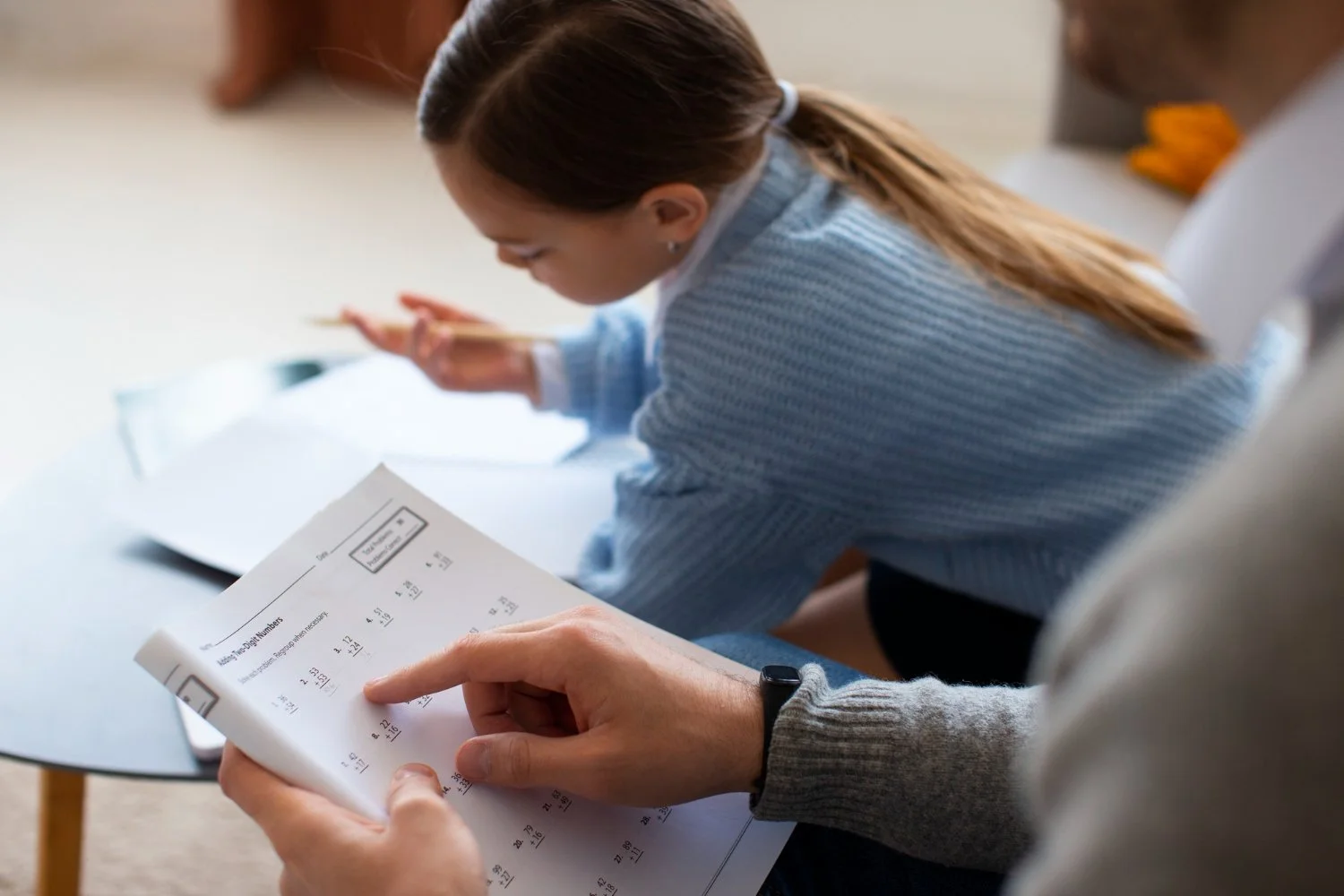
A psychoeducational assessment is a comprehensive, standardised evaluation of how a person learns, processes information, and performs academically relative to their cognitive potential. It is not a single test — it is a structured clinical process that examines multiple domains of functioning:
All psychoeducational assessments at Brainworks are completed or overseen by psychologists registered and practising under the jurisdiction of the College of Psychologists of Ontario (CPO). Our reports are accepted by all Ontario school boards — including Algoma District School Board and Conseil scolaire catholique du Nouvel-Ontario — as the basis for IEP development, accommodations, and provincial funding applications.
Your child is showing signs of anxiety, frustration, or low self-esteem related to their school experience
Signs Your Child May Need a Psychoeducational Assessment

Falling behind in reading, writing, or math despite consistent effort and good attendance
The classroom teacher has raised concerns about focus, behaviour, or classroom participation
Suspected learning disability, dyslexia, dyscalculia, ADHD, or intellectual giftedness
A noticeable gap between how bright your child appears and how they perform on tests and assignments
Your child needs formal documentation for an IEP, school accommodations, or provincial funding
Assessments are also appropriate for post-secondary students and adults in the Sault Ste. Marie area who need documentation for academic accommodations, professional licensing exams, or workplace supports.
A psychoeducational assessment is appropriate when a child's academic or behavioural challenges are not fully explained — or when the gap between how capable they seem and how they are performing is hard to understand. Common indicators include:
The school board waitlist is 12+ months and your child needs support now, not next school year
The Brainworks Assessment Process
Our assessment process is thorough, structured, and designed to be as comfortable as possible for your child. Every assessment involves multiple sessions — testing is never rushed into a single appointment, because accuracy and the child's well-being both matter.
Initial Clinical Interview
We begin with an in-depth intake meeting with parents and caregivers. We review your child's developmental history, academic record, health background, and the specific concerns that brought you to us. This conversation shapes the assessment plan.
Standardised Testing Sessions
Your child attends multiple in-person testing sessions with a CPO-registered psychologist. Sessions typically total 6–8 hours of direct testing, split across two to four appointments depending on your child's age and stamina. We use gold-standard, normed assessment tools.
Scoring, Analysis & Report Writing
Results from all testing components — cognitive, academic, attention, language, and social-emotional — are integrated and analysed. The psychologist writes a comprehensive report that includes findings, diagnoses where warranted, and specific, school-ready recommendations.
Report Share Meeting
We meet with parents (and the student, when appropriate) to walk through every finding in plain language. You will leave knowing exactly what the results mean, what your child's rights are under Ontario education law, and what your next steps look like. No jargon. No uncertainty.
Frequently Asked Questions
-
A full psychoeducational assessment typically involves several visits totalling 6–8 hours of direct testing, plus a clinical interview at the start and a report-share meeting with parents at the end. For children, testing is usually spread across two to four sessions so your child stays fresh and the results accurately reflect their true ability. The full process from first appointment to final report generally takes a few weeks. That time investment matters — a thorough assessment produces a report that schools, boards, and funding bodies will rely on for years to come.
-
A full psychoeducational assessment typically involves several visits totalling 6–8 hours of direct testing, plus a clinical interview at the start and a report-share meeting with parents at the end. For children, testing is usually spread across two to four sessions so your child stays fresh and the results accurately reflect their true ability. The full process from first appointment to final report generally takes a few weeks. That time investment matters — a thorough assessment produces a report that schools, boards, and funding bodies will rely on for years to come.
-
A full psychoeducational assessment typically involves several visits totalling 6–8 hours of direct testing, plus a clinical interview at the start and a report-share meeting with parents at the end. For children, testing is usually spread across two to four sessions so your child stays fresh and the results accurately reflect their true ability. The full process from first appointment to final report generally takes a few weeks. That time investment matters — a thorough assessment produces a report that schools, boards, and funding bodies will rely on for years to come.
-
A full psychoeducational assessment typically involves several visits totalling 6–8 hours of direct testing, plus a clinical interview at the start and a report-share meeting with parents at the end. For children, testing is usually spread across two to four sessions so your child stays fresh and the results accurately reflect their true ability. The full process from first appointment to final report generally takes a few weeks. That time investment matters — a thorough assessment produces a report that schools, boards, and funding bodies will rely on for years to come.
-
A full psychoeducational assessment typically involves several visits totalling 6–8 hours of direct testing, plus a clinical interview at the start and a report-share meeting with parents at the end. For children, testing is usually spread across two to four sessions so your child stays fresh and the results accurately reflect their true ability. The full process from first appointment to final report generally takes a few weeks. That time investment matters — a thorough assessment produces a report that schools, boards, and funding bodies will rely on for years to come.
Serving Sault Ste. Marie & the Algoma Region
Brainworks serves families across Northern Ontario, including Sault Ste. Marie and the broader Algoma District. Assessment appointments are conducted at our North Bay office (222 Main Street East, North Bay, ON P1B 1B1), with telehealth components available where clinically appropriate.
We understand that North Bay is a drive from the Soo. For many Algoma families, the choice is straightforward: a three-to-four hour trip to access a private, CPO-regulated assessment — or a 12–18 month wait with no defined end point, during which your child continues without the supports they're entitled to.
We also serve families in communities across Algoma District, including:
Elliot Lake · Wawa · Bruce Mines · Thessalon
Blind River · Iron Bridge · Chapleau · White River
Michipicoten · Dubreuilville · Hornepayne
Contact our intake team to discuss scheduling options, telehealth availability, and what to expect before your first appointment.
What You'll Receive
✓ Comprehensive written report
✓ Formal diagnosis where applicable
✓ School-ready IEP recommendations
✓ Parent debrief meeting
✓ CPO-regulated — accepted by all Ontario boards
Communities Served
Sault Ste. Marie, Elliot Lake, Wawa
Bruce Mines, Thessalon
Blind River, Iron Bridge
Chapleau, WhiteRiver
Dubreuilville, Hornepayne,
Michipicoten