What Concussion Rehabilitation Can Look Like: A Personalized Path to Recovery
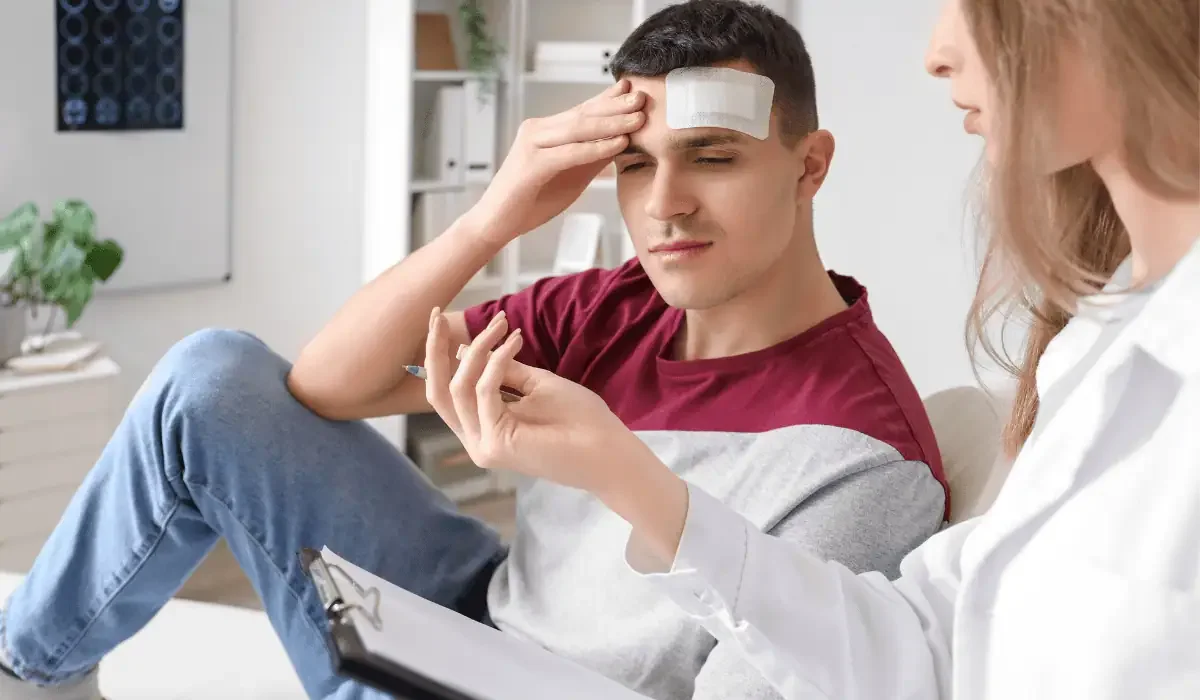
A concussion can be difficult to predict. One person may return to work within days, while another may continue managing headaches, dizziness, fatigue, or concentration problems for weeks or longer. That difference does not mean anyone is recovering incorrectly. It usually means the brain, body, health history, and daily responsibilities are responding in their own way.
Concussion rehabilitation gives us a structured way to understand those differences and respond to them. Rather than following a rigid timeline, a personalized program considers symptoms, activity tolerance, sleep, mood, school or work demands, and the goals that matter to each person. With the right assessment and gradual support, rehabilitation can help us move forward safely without treating recovery as a race.
Key Takeaways
Concussion rehabilitation should be personalized, considering individual symptoms, daily demands, and health history for effective recovery.
A comprehensive concussion evaluation includes assessment of physical, cognitive, emotional, and sleep-related symptoms to tailor rehabilitation plans.
Gradual progression with careful monitoring helps avoid setbacks, balancing activity increase with symptom management.
Return to school, work, and exercise should be planned step-by-step, reflecting specific roles and personal tolerance.
Effective concussion rehabilitation integrates physical, cognitive, emotional, and sleep care to improve overall daily function.
Seeking professional guidance and regular reassessment ensures a safe, individualized concussion rehabilitation journey.
Understanding Why Concussion Recovery Looks Different for Everyone

Concussion recovery is not a single, predictable process. A concussion is a mild traumatic brain injury, but the effects can involve several systems at once, including vision, balance, the neck, the nervous system, sleep regulation, and emotional health. Symptoms may appear immediately, or they may become more noticeable after we return to regular activity.
Some people experience headaches and light sensitivity. Others notice dizziness, slowed thinking, irritability, nausea, neck pain, or an unusual level of fatigue. Symptoms can also fluctuate. Someone may feel relatively well in the morning, then struggle after a full day of screens, commuting, meetings, or physical exertion.
This variability is one reason concussion rehabilitation should be individualized. A plan that helps one person may be too demanding for another, while a program designed for an athlete may not address the needs of a student, parent, tradesperson, or older adult. We need to understand what is happening, what activities increase symptoms, and what a safe next step looks like.
How Symptoms, Health History, and Daily Demands Shape Care
A complete picture starts with more than a symptom checklist. We consider the person's injury, previous concussions, migraine history, vision or vestibular problems, neck injuries, mental health, sleep patterns, medications, and overall health. These factors can influence both the symptoms we see and the pace of recovery.
Daily demands matter just as much. A university student may need help managing lectures, reading, and exams. A construction worker may need to safely handle ladders, machinery, noise, and changing environments. A parent may be balancing recovery with childcare and household responsibilities. In Canada, we may also need to account for long commutes, seasonal conditions, or limited access to specialized care in rural and remote communities.
By connecting symptoms to real-life demands, we can set practical priorities. The goal is not simply to make a symptom score lower in a clinic. It is to help us function more comfortably and confidently in the situations that make up our lives.
The First Steps: Assessment, Safety, and Setting Recovery Goals
The first stage of concussion rehabilitation is understanding the injury and confirming that rehabilitation is appropriate. We should never assume that every symptom after a head injury is part of a routine concussion. Urgent medical assessment is important for warning signs such as worsening severe headache, repeated vomiting, increasing confusion, weakness or numbness, seizure, unusual drowsiness, slurred speech, or loss of consciousness that raises concern.
Once serious concerns have been addressed, a rehabilitation assessment can help identify the factors keeping symptoms active. We also establish realistic goals. These may include tolerating a 30-minute walk, completing a school assignment, working part-time, sleeping more consistently, or returning to exercise without a significant symptom flare.
Goals should be specific and meaningful rather than based only on a fixed number of days. A good plan gives us direction while leaving room to adjust. Recovery is often more like turning a dimmer switch than flipping a light switch. Small improvements can build into meaningful progress, even when the day-to-day pattern feels uneven.
What a Comprehensive Concussion Evaluation May Include
Depending on the person and the setting, an evaluation may review symptom intensity, triggers, balance, eye movements, visual motion sensitivity, coordination, reaction time, neck mobility, exertion tolerance, sleep, mood, and cognitive function. We may also discuss work, school, driving, exercise, screen use, and other activities that are important to the person.
A clinician may ask us to perform carefully selected tasks, such as tracking a moving target, changing focus between distances, standing in different positions, walking while turning the head, or completing brief attention and memory exercises. These tests are not meant to label us or prove that symptoms are imaginary. They help reveal patterns that may respond to targeted treatment.
At Brain Works Rehab, a personalized approach can bring these pieces together by looking beyond the initial injury and considering how symptoms affect everyday function. Depending on the assessment, rehabilitation may involve vestibular therapy, vision-related strategies, balance training, cervical care, graded exertion, education, or coordination with other health professionals. The exact combination should be based on findings, not a preset package.
We also establish safety guidelines. These may include recommendations about driving, work hazards, exercise intensity, alcohol, sleep, and when to seek additional medical care. Clear instructions can reduce uncertainty, which is valuable when symptoms themselves make decision-making harder.
Building a Personalized Concussion Rehabilitation Plan
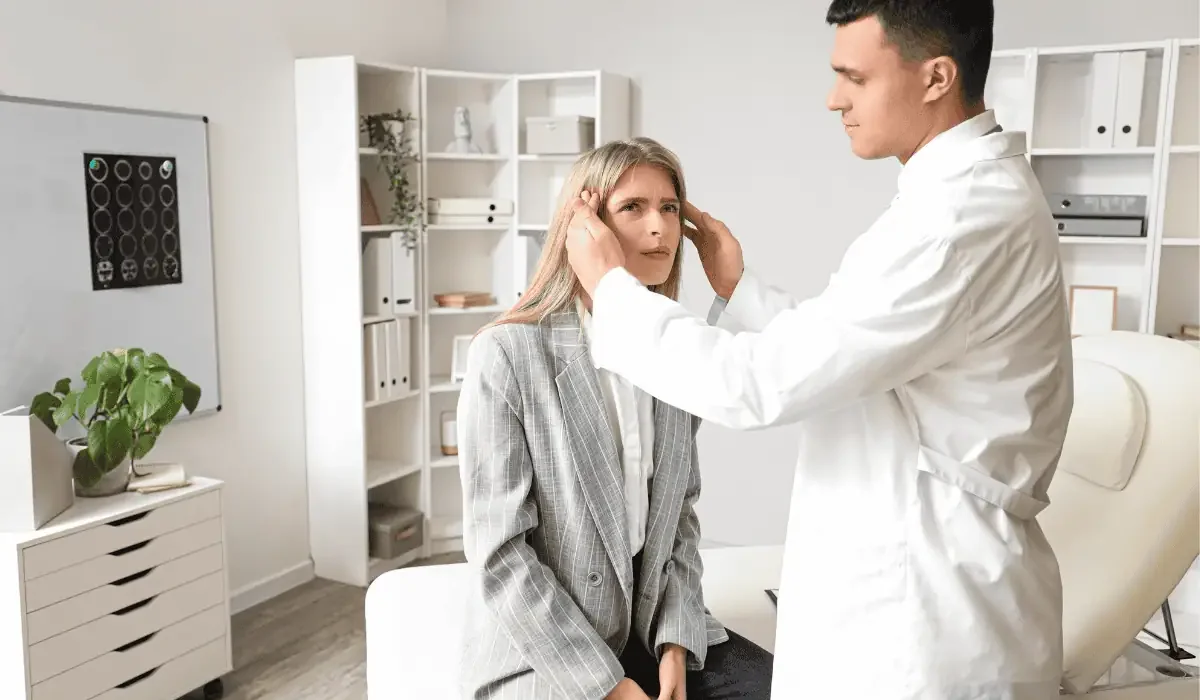
After assessment, we build a plan around the symptoms and activities that matter most. Effective concussion rehabilitation is usually active and progressive. It may include education, symptom management, targeted exercises, pacing strategies, and regular reassessment. The plan should be challenging enough to encourage adaptation but not so difficult that it causes a prolonged setback.
We often begin by identifying a person's current tolerance. For example, if 20 minutes of reading leads to a mild, short-lived increase in symptoms, we may use shorter reading intervals with planned breaks. If walking is tolerated but quick head movements trigger dizziness, we may start with controlled movement and gradually increase complexity. This approach helps us learn where the current limits are without repeatedly exceeding them.
A personalized plan is also flexible. Symptoms can change with poor sleep, stress, illness, travel, or an unusually demanding day. Adjusting the workload is not failure. It is a normal part of rehabilitation and can prevent the cycle of overdoing activity, feeling worse, resting completely, and trying too much again.
Managing Physical, Cognitive, Emotional, and Sleep-Related Symptoms
Physical symptoms may include headaches, neck pain, dizziness, nausea, visual discomfort, or sensitivity to noise and light. Treatment could include balance and eye-head coordination exercises, neck rehabilitation, breathing strategies, gentle aerobic activity, or education about symptom triggers. We progress gradually and monitor the response rather than pushing through significant worsening.
Cognitive symptoms often involve concentration, memory, mental speed, or multitasking. We can use practical strategies such as reducing interruptions, working in shorter blocks, writing down instructions, using calendars, and completing one demanding task at a time. For students and employees, temporary accommodations may include reduced workloads, extra time, rest breaks, quieter spaces, or a gradual schedule.
Emotional changes deserve equal attention. Irritability, anxiety, low mood, and frustration can develop after a concussion, particularly when usual activities are restricted. Education, reassurance, activity planning, counselling, and medical follow-up may all be appropriate. We should not dismiss emotional symptoms as simply "being stressed," and we should not treat them as evidence that the injury is not real.
Sleep is another foundation of recovery. A consistent wake time, a calming bedtime routine, daytime light exposure, and appropriately timed activity may help restore a disrupted sleep pattern. We also review naps, caffeine, screen use, pain, and other factors that interfere with rest. If sleep problems persist, we may recommend additional medical assessment.
The most useful plan connects all these areas. Someone with dizziness may also avoid activity, sleep poorly, become anxious, and lose confidence. Addressing only one symptom can leave the larger pattern untouched. By coordinating care and reviewing progress, we can make rehabilitation more precise and more sustainable.
Progressing Through Rehabilitation Without Doing Too Much Too Soon
A common mistake during concussion recovery is treating a good day as proof that we can immediately resume everything. The opposite mistake is avoiding all activity for too long. Prolonged inactivity can reduce fitness, disrupt sleep, increase worry, and make ordinary demands feel even more overwhelming.
Instead, we generally use a gradual approach based on symptoms and function. Mild, brief symptom changes may be acceptable during some activities, but a major increase that lasts for hours or interferes with sleep suggests that the workload needs adjustment. We can reduce duration, lower intensity, add rest, change the environment, or return to an earlier step temporarily.
Progress is measured in more than symptom absence. We may look at whether we can complete a task for longer, recover more quickly, manage a busier environment, sleep better, or return to responsibilities with less support. This broader view helps us recognize improvement that a simple daily symptom score might miss.
Returning to School, Work, Exercise, and Everyday Activities
Return to activity should be planned rather than treated as a single event. For school, we might begin with shorter attendance, reduced assignments, breaks in a quiet area, and gradual exposure to reading or computer work. Exams and major assignments may need temporary adjustments. Communication among the student, family, school, and healthcare team can make the transition smoother.
For work, a graduated return may involve shorter shifts, fewer simultaneous tasks, reduced noise, more breaks, modified lighting, or avoiding safety-sensitive duties until attention and reaction time are reliable. We should consider the actual job, not just the job title. A desk-based role and a physically hazardous role have very different rehabilitation requirements.
Exercise often progresses from light activities, such as easy walking or stationary cycling, toward more demanding aerobic, strength, sport-specific, and contact activities when appropriate. Anyone returning to sport should follow medical and rehabilitation guidance, particularly before activities with a risk of another head impact. Returning to exercise is not the same as being cleared for collision or contact play.
Everyday activities count, too. Cooking, shopping, driving, caring for children, using public transit, and socializing can all test balance, vision, concentration, and stamina. We can break these tasks into steps, schedule demanding activities at the time of day when energy is best, and build recovery periods into the routine.
There may be occasional setbacks. A flare after a busy day does not erase previous progress. We review what contributed, make a reasonable adjustment, and continue. If symptoms are worsening, new symptoms appear, or recovery is not progressing as expected, we seek reassessment rather than simply forcing the next stage.
Conclusion: Supporting a Safe and Individualized Recovery Journey

Concussion rehabilitation works best when it reflects the person, not just the injury label. Our symptoms, health history, responsibilities, environment, and goals all help determine the right starting point and the right pace.
A thorough assessment can identify treatable problems. A practical plan can address physical, cognitive, emotional, and sleep-related concerns. Gradual progression can help us return to school, work, exercise, and daily life without the pressure to recover on an unrealistic schedule.
If concussion symptoms continue or interfere with normal activities, we should seek guidance from qualified healthcare professionals. With informed support, regular reassessment, and patience, recovery can become a clearer and more manageable path.
Frequently Asked Questions About Personalized Concussion Rehabilitation
What does personalized concussion rehabilitation involve?
Personalized concussion rehabilitation tailors recovery plans to individual symptoms, daily demands, and health history. It includes symptom management, targeted exercises, pacing strategies, and gradual progression based on thorough assessments rather than a fixed timeline.
How do symptoms affect the concussion rehabilitation process?
Symptoms like headaches, dizziness, cognitive difficulties, and mood changes vary widely and influence rehab plans. Rehabilitation adjusts activities to manage symptoms safely, ensuring progress without causing setbacks or overwhelming the individual.
Why is a comprehensive assessment important in concussion recovery?
A comprehensive assessment reviews symptoms, triggers, balance, vision, cognitive function, and lifestyle factors. This helps identify specific issues and guides a targeted, effective rehabilitation plan tailored to the person's unique needs and goals.
How is the gradual progression managed during concussion rehabilitation?
Gradual progression involves increasing activity tolerance slowly while monitoring symptoms. Mild, brief symptom increases may be acceptable, but significant or prolonged worsening signals the need to reduce activity, rest, or revise the plan to avoid setbacks.
What strategies can help return to work or school after a concussion?
Returning to work or school often requires gradual reintegration with modifications like shorter hours, reduced workloads, breaks, quieter environments, and extra accommodations. Communication among healthcare providers, educators, employers, and the individual ensures a smooth transition.
Can emotional health impact concussion recovery, and how is it addressed?
Yes, emotional symptoms such as anxiety, irritability, or low mood can affect recovery. Addressing these involves education, reassurance, counseling, and sometimes medical follow-up, recognizing emotional health is a key component of overall rehabilitation success.